
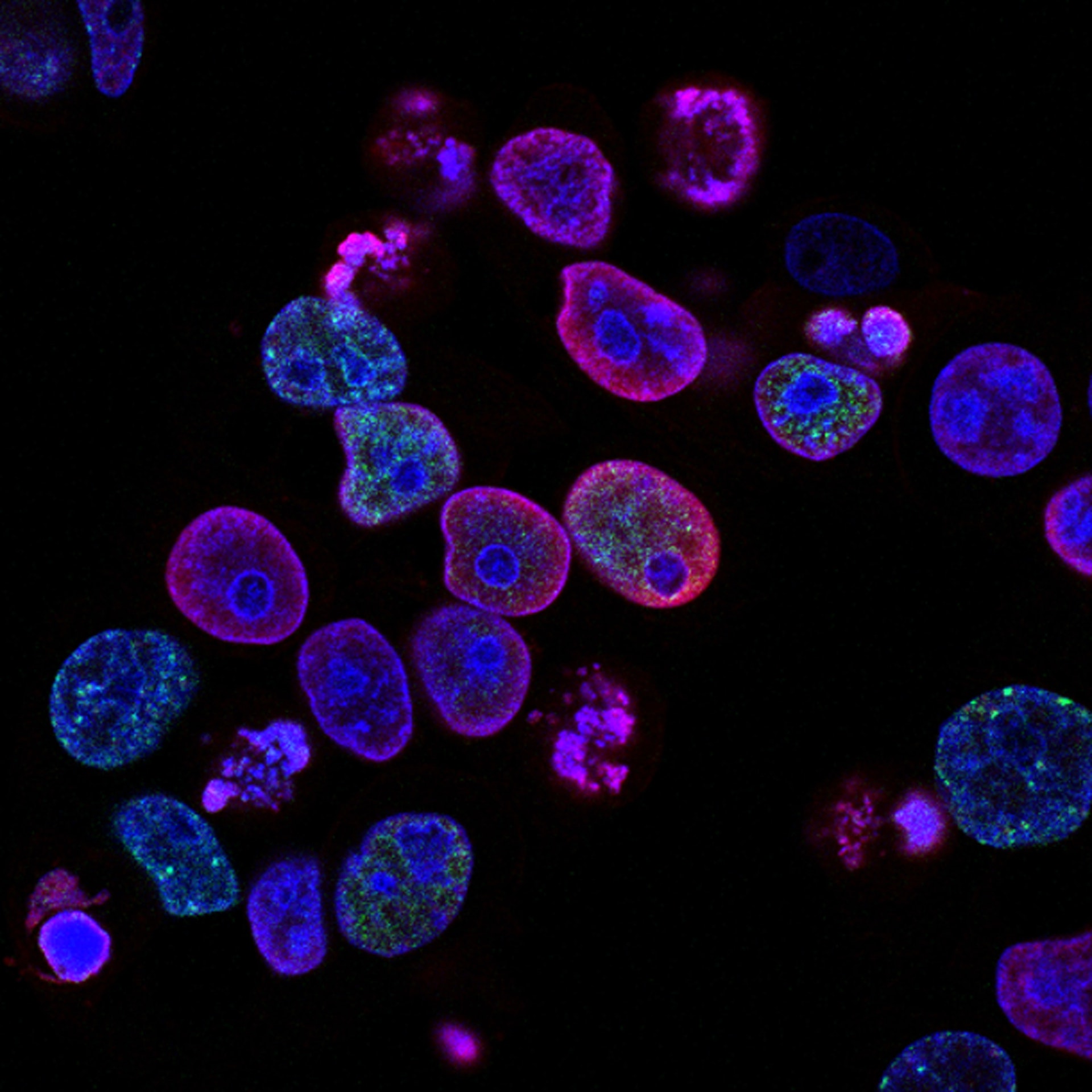
A study, led by researchers at Stanford University School of Medicine, CA, has recently found an unexpected link between tuberculosis (TB) and cancer.
In the study of the relationship between granuloma composition and organ site, the researchers report that the “vast majority of subsets occurred in similar proportions irrespective of organ site.”
Additionally, they also observed high levels of two proteins — PD-L1 and IDO1 — in the granuloma samples. These proteins can suppress the immune response to cancer and are found in the tumor tissues of certain types of cancers.
In blood sample studies collected from a large population of individuals living with TB, the researchers discovered that blood levels of PD-L1 correlated with clinical symptoms. Asymptomatic individuals had lower levels of PD-L1 in their blood and a lesser risk of developing an active infection when compared to individuals with higher levels of PD-L1.
Furthermore, the authors also discovered that individuals who were considered cured after TB treatment had significantly reduced blood levels of PD-L1 in comparison to people who were not cured.
Crucially, their results also suggested that macrophages — which are immune cells — might be the central determinants of immune response success or failure during TB disease.
Sursa: Medicalnewstoday